

Traveling with Friends
Commonplaces Vol. 06 - November 2025

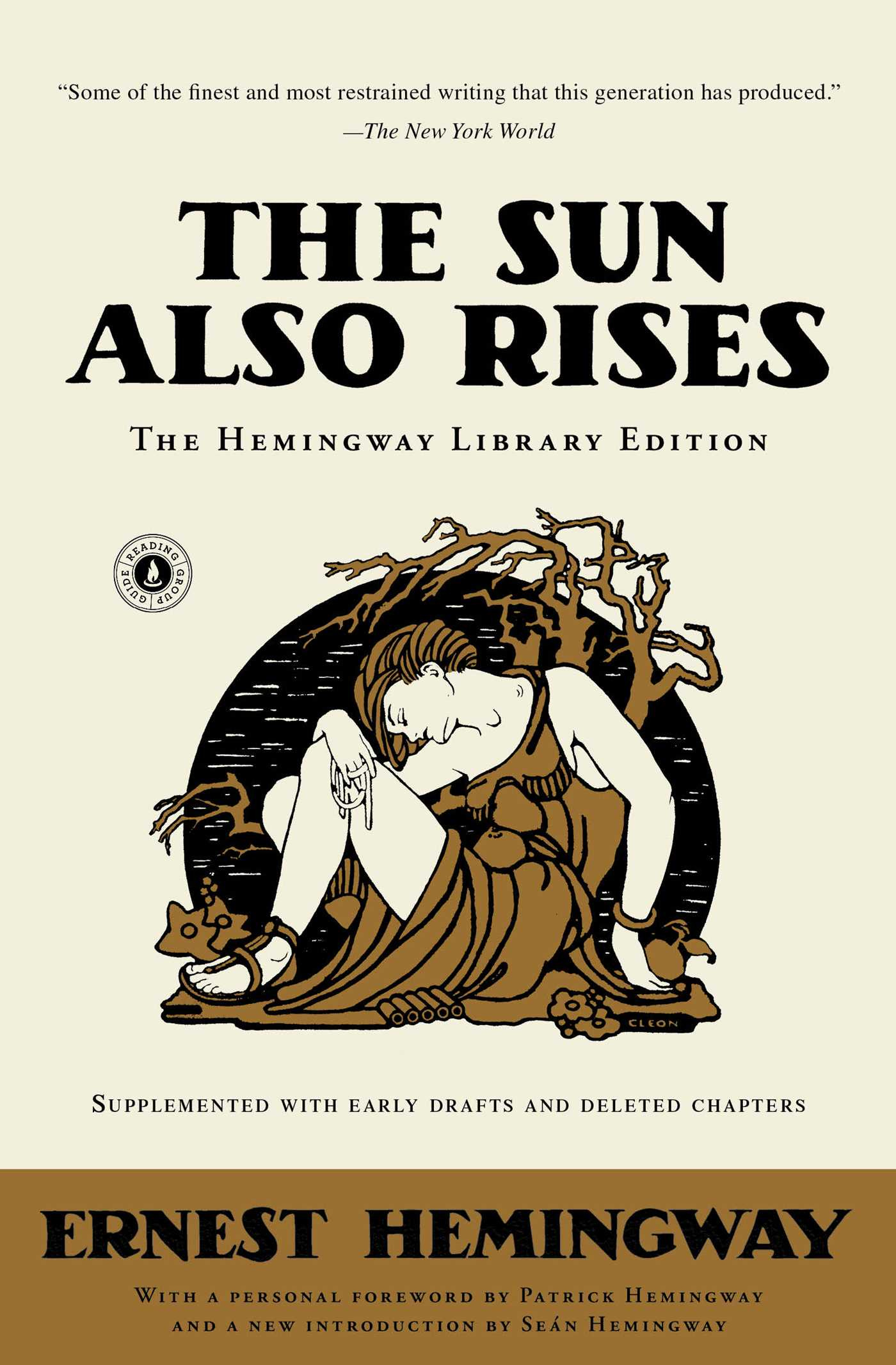
Expatriated Writers
“You know what’s the trouble with you? You’re an expatriate. One of the worst type. Haven’t you heard that? Nobody that ever left their own country ever wrote anything worth printing. Not even in the newspapers.”
He drank the coffee.
“You’re an expatriate. You’ve lost touch with the soil. You get precious. Fake European standards have ruined you. You drink yourself to death. You become obsessed by sex. You spend all your time talking, not working. You are an expatriate, see? You hang around cafés.”
Ernest Hemingway, The Sun Also Rises: Hemingway Library Edition, ed. Sean Hemingway. New York: Scribner, 2001. p. 92.
Great Ideas: Citizenship, Sin, World, Virtue & Vice
I hadn’t yet completed my annual reading of The Sun Also Rises, but when the Florida Hemingway Society decided to host a book club on it, well, it seemed like the right moment. I never get tired of this book and continually find new gems to mine in it. I’ve not focused on this specific passage previously, but it stuck out on this read. I’m working on something connecting Hemingway and Longfellow, and this little bit here has given me some food for thought.
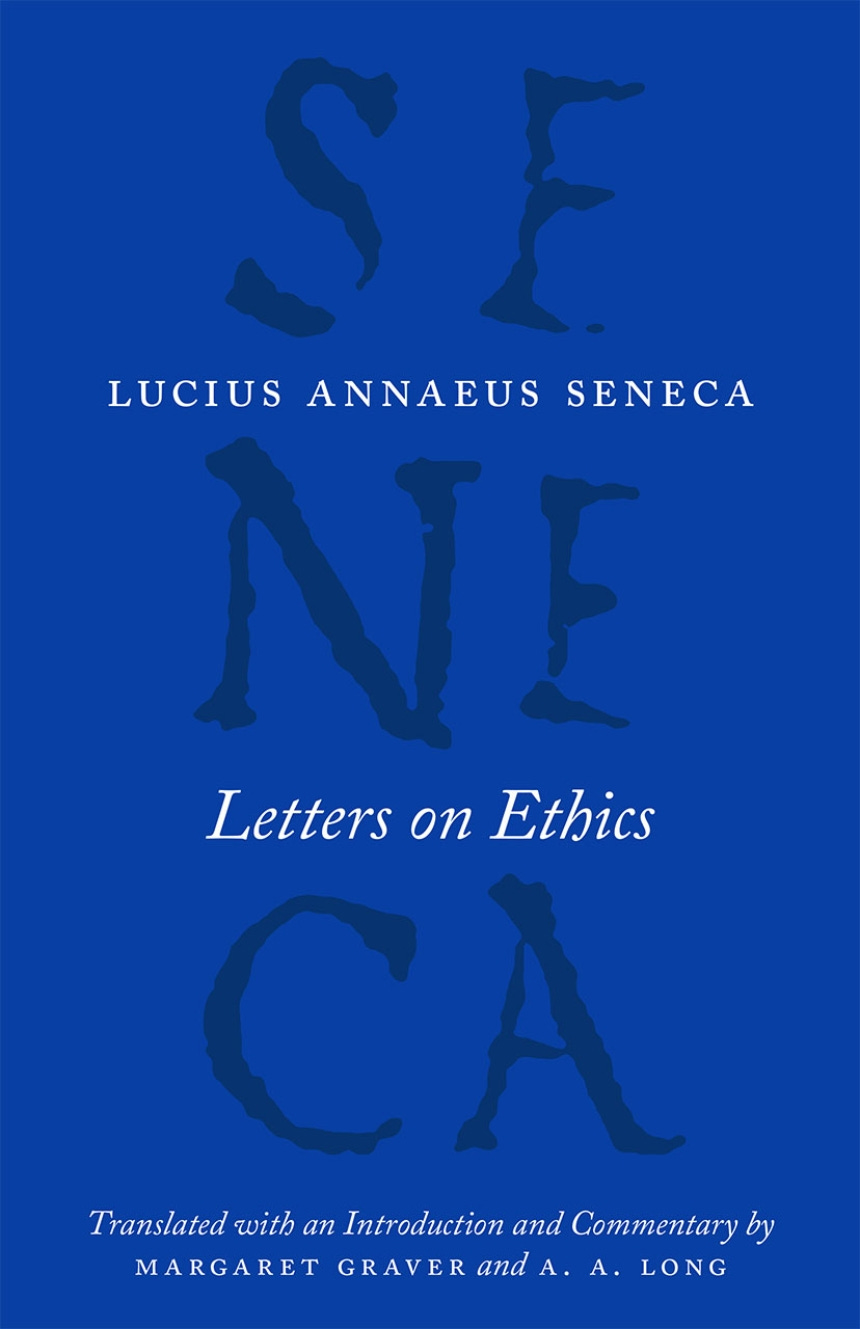
Everywhere & Nowhere
Be careful, though, about your reading in many authors and every type of book. It may be that there is something wayward and unstable in it. You must stay with a limited number of writers and be fed by them if you mean to derive anything that will dwell reliably with you. One who is everywhere is nowhere. Those who travel all the time find that they have many places to stay, but no friendships. The same thing necessarily happens to those who do not become intimate with any one author, but let everything rush right through them.
Seneca, “Letter 2: From Seneca to Lucilius,” in Letters on Ethics, trans. Margaret Graver and A. A. Long. Chicago: University of Chicago Press, 2015. p. 26-27.
Great Ideas: Poetry, Friendship, Love, Same & Other, Wisdom, World
I’ve not read much Seneca, but the more I do the more I want to read. This letter has been making the rounds online, in various translations, but I’m fond of the University of Chicago translations. I’ve long described the books I teach to students as my friends, ones that I am introducing to these teenagers. And that’s just one aspect of this that I find resonant! The whole letter is worth your time, and fairly adequately describes my own approach to the reading of good books.

Exalting Without Lowering
St. Thomas exalted God without lowering Man; he exalted Man without lowering Nature. Therefore, he made a cosmos of common sense; terra viventium; a land of the living. His philosophy, like his theology, is that of common sense. He does not torture the brain with desperate attempts to explain existence by explaining it away. The first steps of his mind are the first steps of any honest mind; just as the first virtues of his creed could be those of any honest peasant.
G. K. Chesterton, “St. Thomas Aquinas,” The Spectator, February 27, 1932.
Great Ideas: Mind, Philosophy, Theology, Man
I’ll be teaching portions of the Summa soon, and since I don’t have time to read the entirety of The Dumb Ox, I thought this essay by Chesterton would be a nice refresher. I find it an apt summary, and it works as a way of introduction to Aquinas’s significance (which isn’t always apparent to 16-year-olds). I may even give them the whole thing to read.

Right Reason in Winter
In wintertime, that is, from November first until Easter, right reason dictates they should arise at the eighth hour of the night. That way they can rest a little more than half the night and rise with their food digested. The time that remains after Vigils should be used for the learning of psalms and lessons by those brothers who need to do so.
From Easter to the aforesaid November first, the time is to be regulated as follows: Vigils should be followed immediately by Matins at daybreak, with a very short interval in between, when the brothers can go out for the demands of nature.
St. Benedict, Benedict’s Rule: A Translation, trans. Terrence Kardong. Collegeville, MN: The Liturgical Press, 1980, 8.1-4.
Great Ideas: Pain & Pleasure, Time, Wisdom, Experience
I’m reading the Rule with my students, and we talk a lot about what sets a Benedictine community apart from ones like our school. It’s gotten me thinking specifically things that Benedict thought important enough to lay out in detail. This one caught my eye, maybe because I finished Winters in the World recently. I wonder if this kind of regimented day would provide the order that many today are lacking?

All Have Their Ballads
The muleteer of Spain carols with the early lark, amid the stormy mountains of his native land. The vintager of Sicily has his evening hymn; the fisherman of Naples his boat-song; the gondolier of Venice his midnight serenade. The goatherd of Switzerland and the Tyrol,—the Carpathian boor,—the Scotch Highlander,—the English ploughboy, singing as he drives his team afield,—peasant,—serf,—slave,—all, all have their ballads and traditionary songs. Music is the universal language of mankind,—poetry their universal pastime and delight.
Henry Wadsworth Longfellow, Outre-Mer: A Pilgrimage Beyond the Sea. New York: Harpers, 1835. p. 202.
Great Ideas: Poetry, Mankind, Art, Education, Same and Other
As a part of the aforementioned project on Longfellow and Hemingway, I’m reading Outre-Mer for the first time. It has long been on my to-read list, and this has proven an excellent excuse to pick it up. The last line of the quote is often used (I’ve seen it in a number of places over the years, especially social media), but I like it better in its full context. Longfellow’s specificity, combined his knowledge of various cultures, gives it a bit more punch. He isn’t making an abstract claim about the importance of music but rather considering the tangible ways in which people are connected.