

Headed Into Summer Via Old Paths
Commonplaces Vol. 12 - May 2026

For those of you who received the wrong post earlier this week, forgive me. The last week of the school year is always turbulent, and the past few days have been no exception.
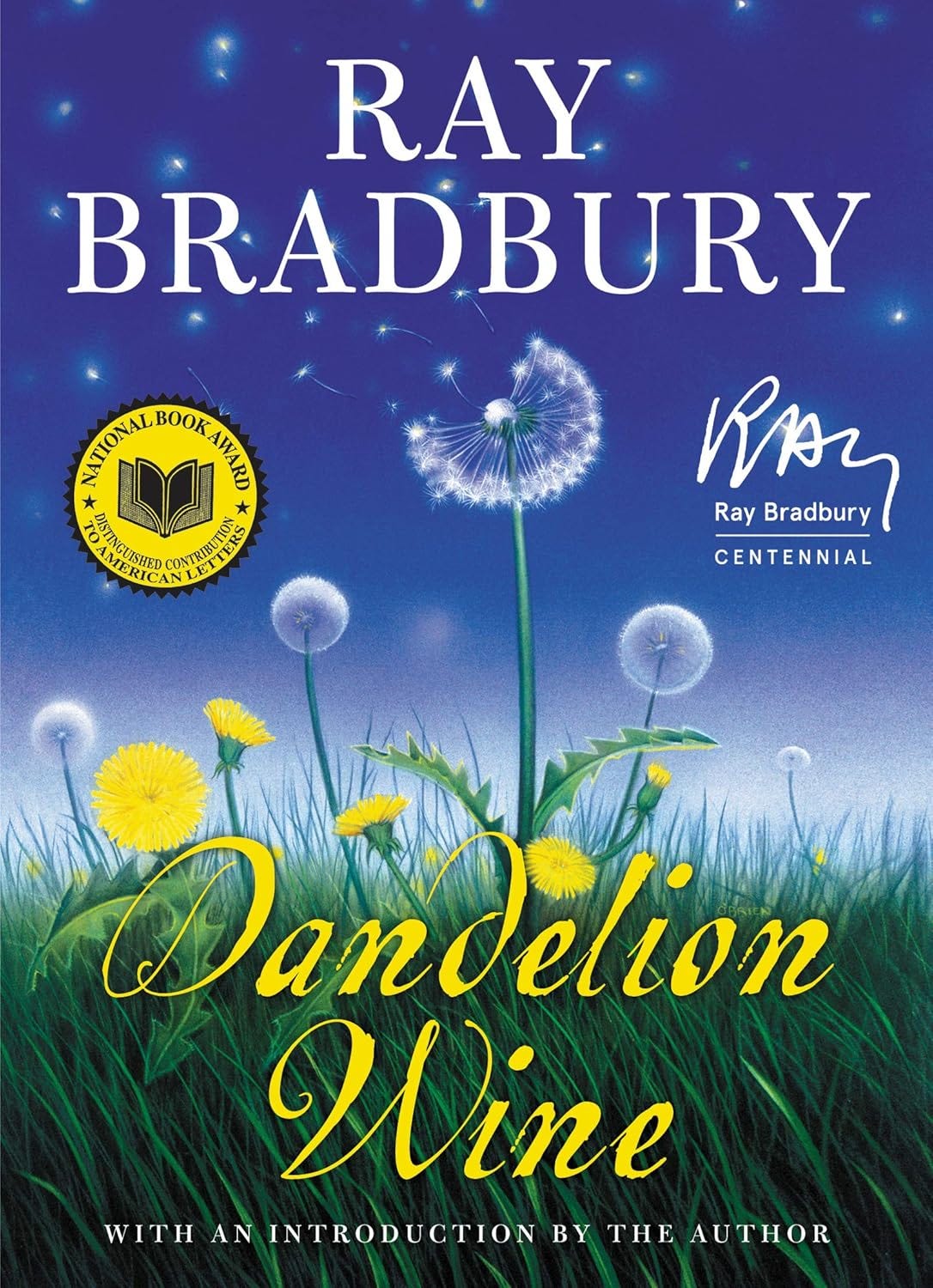
The First Morning of Summer
Summer gathered in the weather, the wind had the proper touch, the breathing of the world was long and warm and slow. You had only to rise, lean from your window, and know that this indeed was the first real time of freedom and living, this was the first morning of summer.
Ray Bradbury, Dandelion Wine, New York: William Morrow, 2006, p. 17.
Great Ideas: Experience, Time, Man, Custom & Convention
I have read this book three times from cover to cover, but I will pick it up every May and start flipping through sections. I stood in my front yard one time, reading it aloud amongst the dandelions while my children rolled their eyes. Bradbury has become a kind of invocation for me heading into the Summer months, and this opening line recurs to me whenever the wind starts to come in off the Gulf, bringing with it the scent of the sea and the call towards enjoyment.
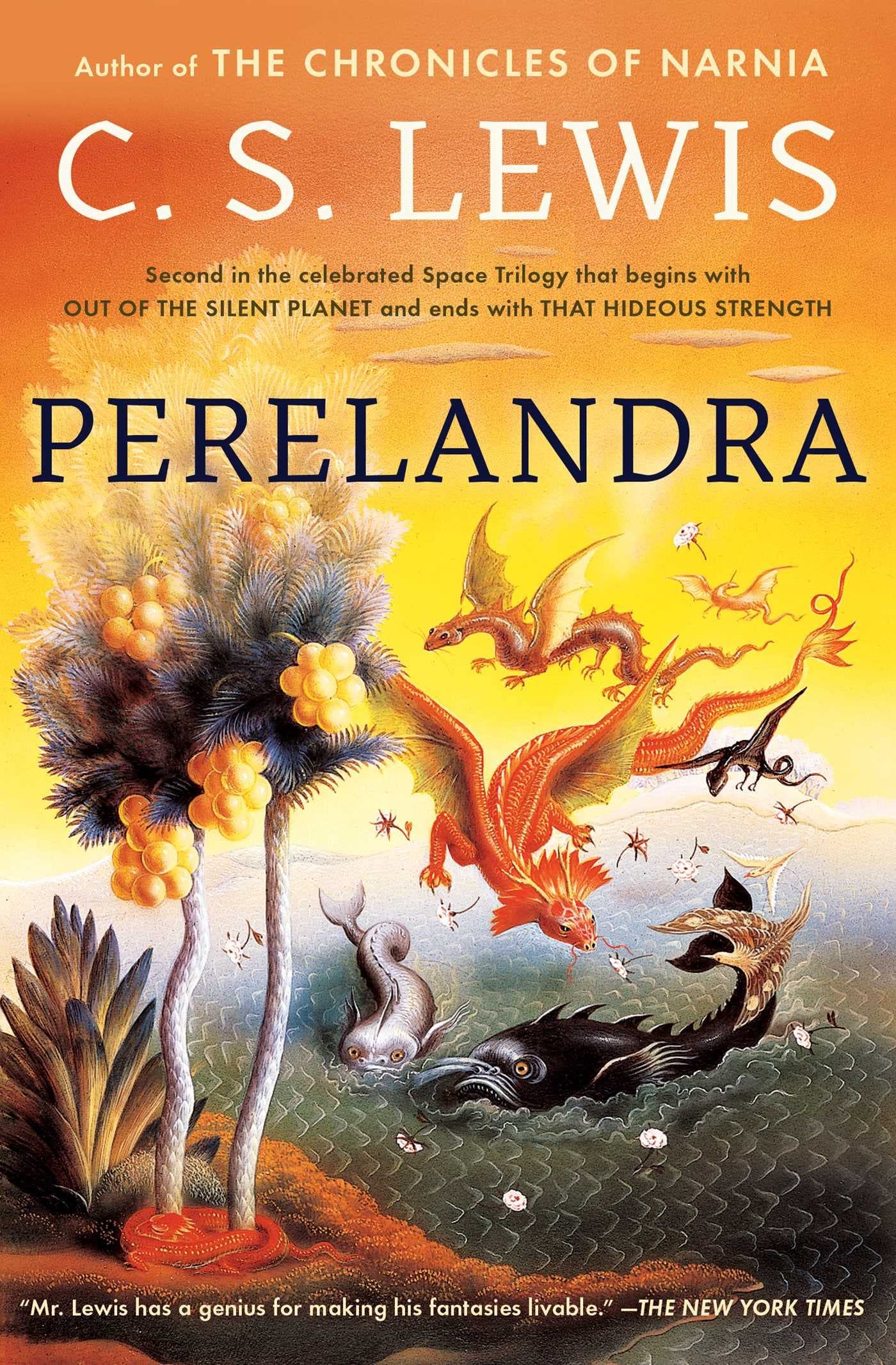
Waking Understands Sleep
We have learned of evil, though not as the Evil One wished us to learn. We have learned better than that, and know it more, for it is waking that understands sleep and not sleep that understands waking. There is an ignorance of evil that comes from being young: there is a darker ignorance that comes from doing it, as men by sleeping lose the knowledge of sleep.
C. S. Lewis, Perelandra, New York: HarperCollins, 2012. p. 179.
Great Ideas: Good & Evil, Soul, Immortality, Sin
I do so enjoy teaching and discussing this book. It can be a slog for some readers, because Lewis devotes so much space to the dialectic process that Ransom, the Unman, and the Green Lady experience. But it is one of the most satisfying endings to a work of Science Fiction that I have ever had the pleasure of reading. And the King’s words to Ransom strike so many deep notes, that I constantly return to this section to mull it over once more in my mind.
Worthy of Meticulous Effort
When Katherine peeled back the wrapping paper and realized what she was holding, she attempted to speak, visibly caught her breath, and blushed. Her eyes filled, and she tried to smile through awkwardly quivering lips. The realization that someone had paid such attention to her face—her face—that someone had drawn her with such tenderness, had deemed her worthy of such meticulous effort and artistry, reduced her to meaningful silence. She and Theo gazed at the portrait as she gathered enough composure to speak.
‘I don’t even know what to say. It’s umm . . .’ She hesitated, fearful of flattering herself. ‘He did a beautiful job.’
‘Well, the artist simply drew what he saw, and what he saw—who he saw—is a work of art.’
Allen Levi, Theo of Golden, New York: Atria, 2025. p. 209.
Great Ideas: Beauty, Art, Judgment, Love, Sense, Man
Theo of Golden has been making the rounds of late, and after many endorsements, I managed to read it. It took a while for me to find a groove with it, which may have been my own fault. But by the end, I had come to quite appreciate the story of the old Portuguese man handing out hand-drawn portraits to a bunch of small-town southerners. I think this scene captures well the ethos of the portrait giving that motivates the story. And I’m very intrigued to hear that Mr. Levi is working on a second novel.
An Important Difference
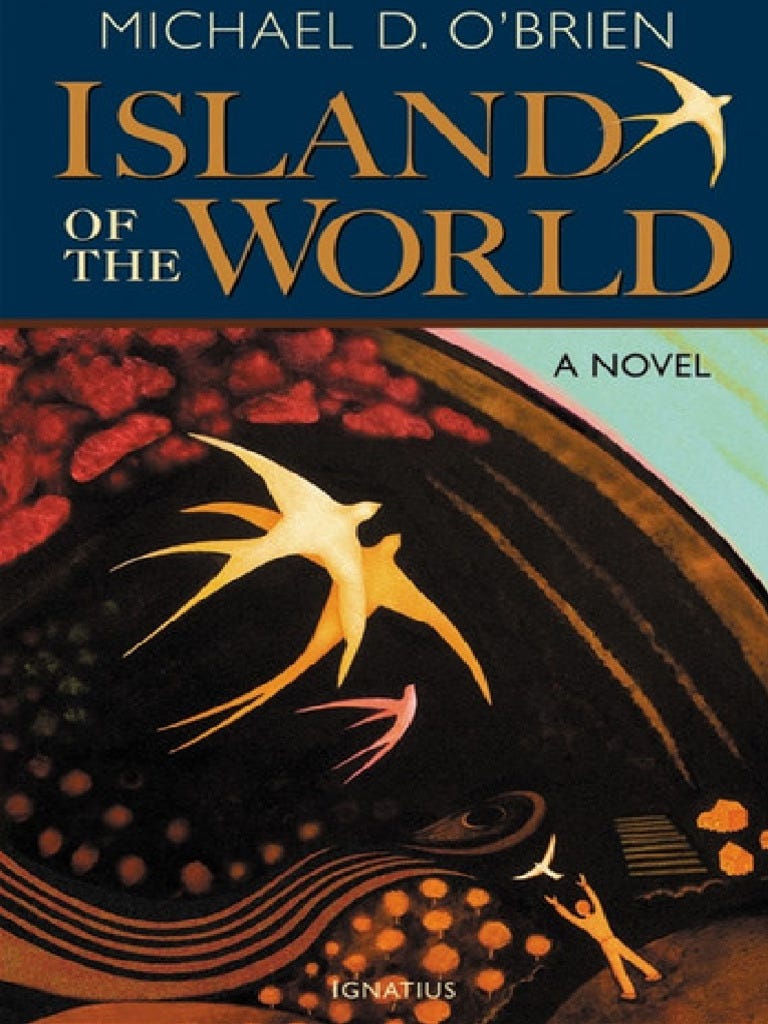
‘There will be room for academic essays in our journal,’ Simon goes on, ‘and this is surely important. Yet there is a difference between insightful commentary about culture and the actual creation of culture. For both, we will need to create a community of people drawn from many walks of life, from here, there, and everywhere. It will be difficult and dangerous.’
Michael D. O’Brien, The Island of the World, San Francisco: Ignatius Press, 2007. p. 253.
Great Ideas: Art, Beauty, Courage, Custom & Convention
I have been slowly working through this book. It is huge, to begin with, but it is also heavy in content. You go a chapter or two and then you feel like you’ve been hit in the stomach. It has, thus far, proven a worthwhile read, so I’m going to keep plugging along. The section on creating an alternative culture fascinated me, primarily because it was an attempt to highlight the truth in a world where the truth was systematically suppressed by the government. The problem looks different in a world of social media, I think, but it remains none-the-less.
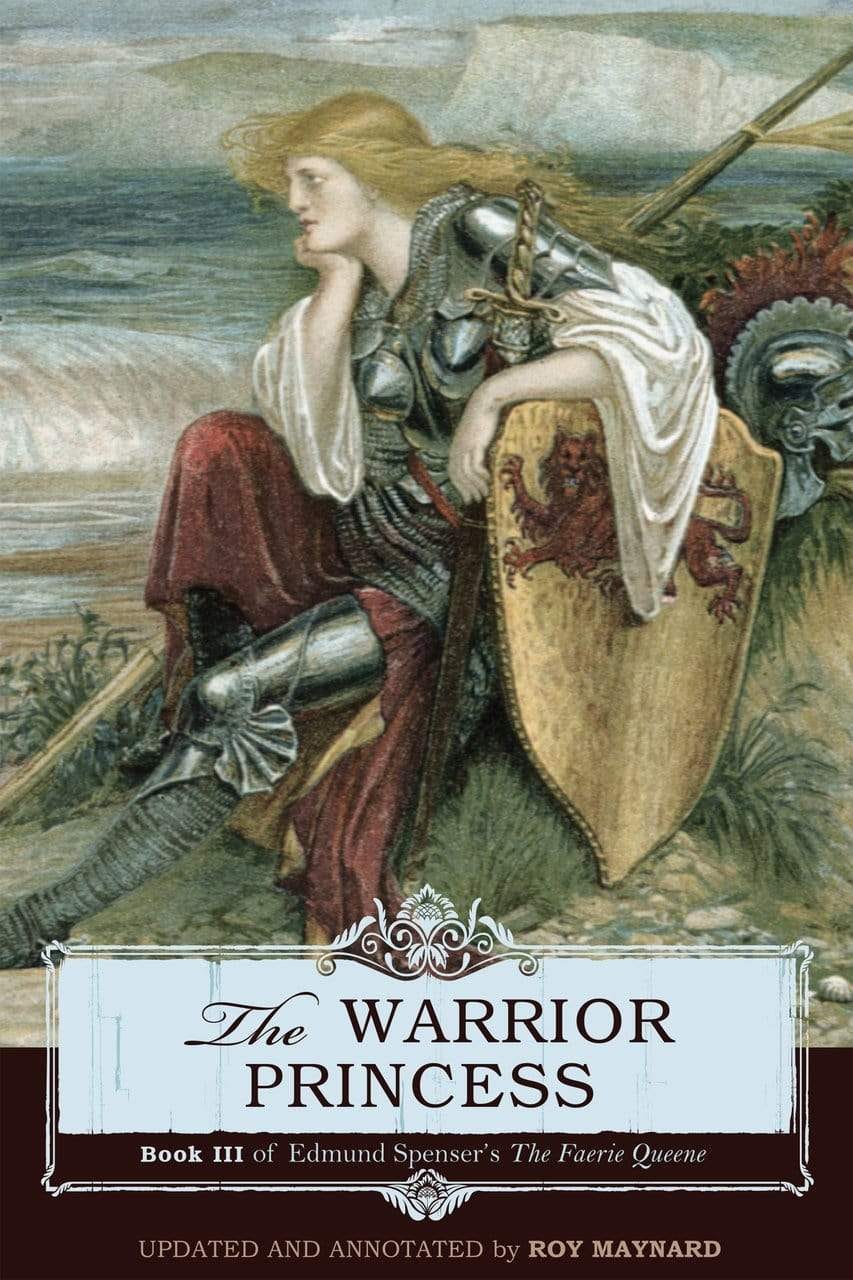
Weeds and Roses
Amongst the roses grow some wicked weeds;
For this was not to love, but lust inclined;
For love does always bring forth bounteous deeds,
And in each gentle heart desire of honor breeds.
Edmund Spenser, The Warrior Princess: Book 3 of The Faerie Queene, ed. Roay Maynard, Moscow, ID: Canon Press, 2018. 3.1.49.6-9 [p. 22].
Great Ideas: Love, Virtue & Vice, Poetry, Sin
There are few things more appropriate to reading with teenagers than Spenser’s Faerie Queene. While C. S. Lewis’s famous advice to read it at age 12 might be a bit much today, 17 seems perfect. Too many classes only read Book 1, the story of Redcross or Holiness, but Books 2 and 3 hit home even more so for the teenage life, I think. Britomart’s story in particular hits on so many of the things these almost-adults are looking towards in terms of what comes next in life.
I have been singing the praises of Dandelion Wine ever since I first read it years ago, if I remember correctly, at one of the few book club dinners you guys let the wives join in. I was astounded that so many of the ladies did not like it and it stays solidly on my top ten favorites list.
Finally read Something Wicked This Way Comes a few months ago when I learned it is actually the second in the Green Town trilogy. Also now a favorite. I mean, they beat evil with joy so how could it not be a favorite? Farewell Summer is on my bookshelf and I am so looking forward to it.